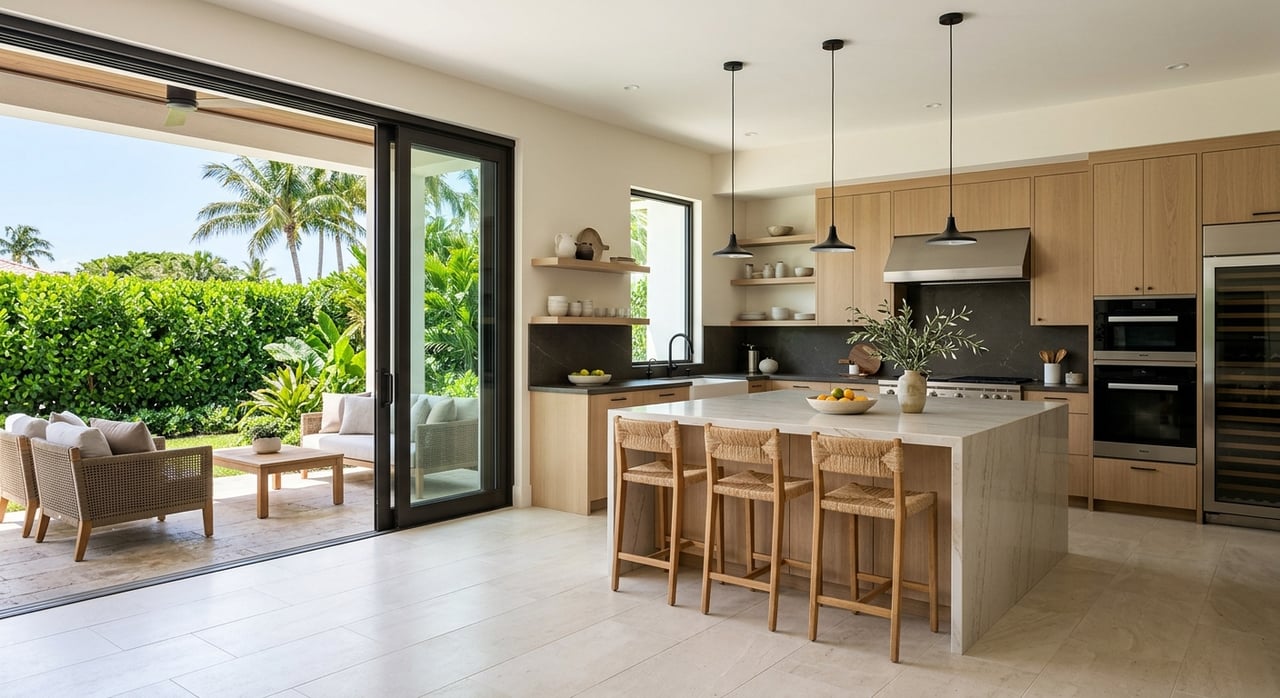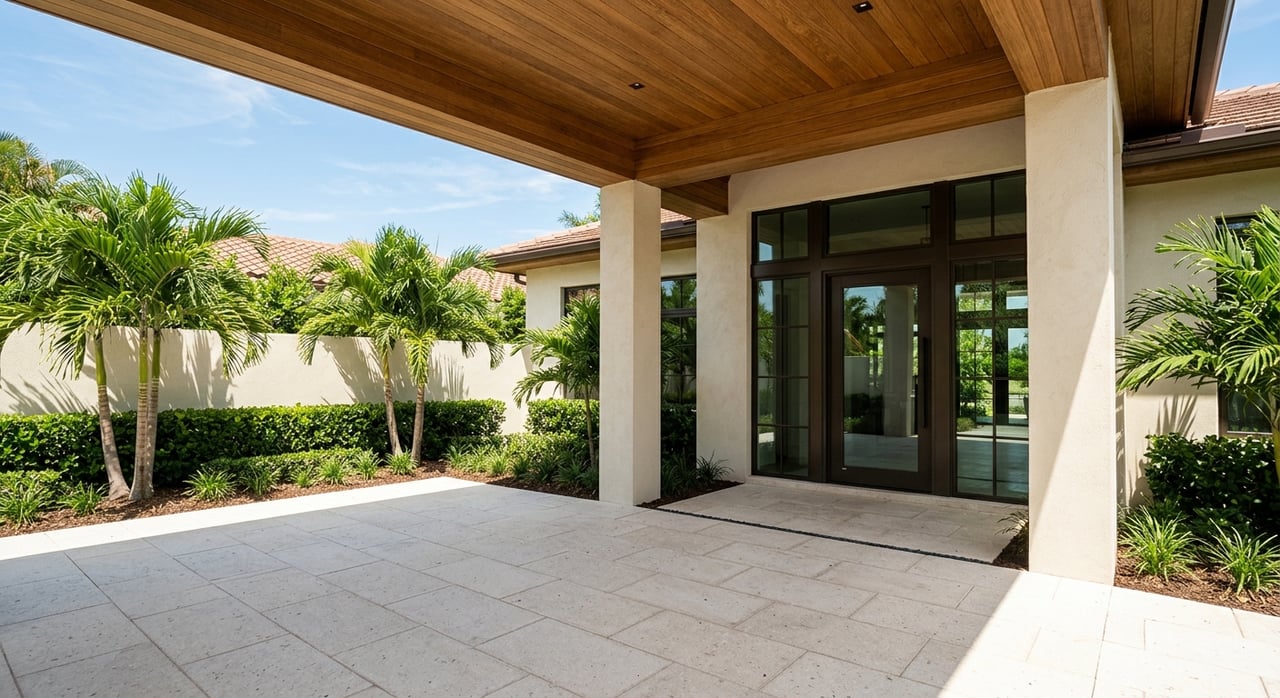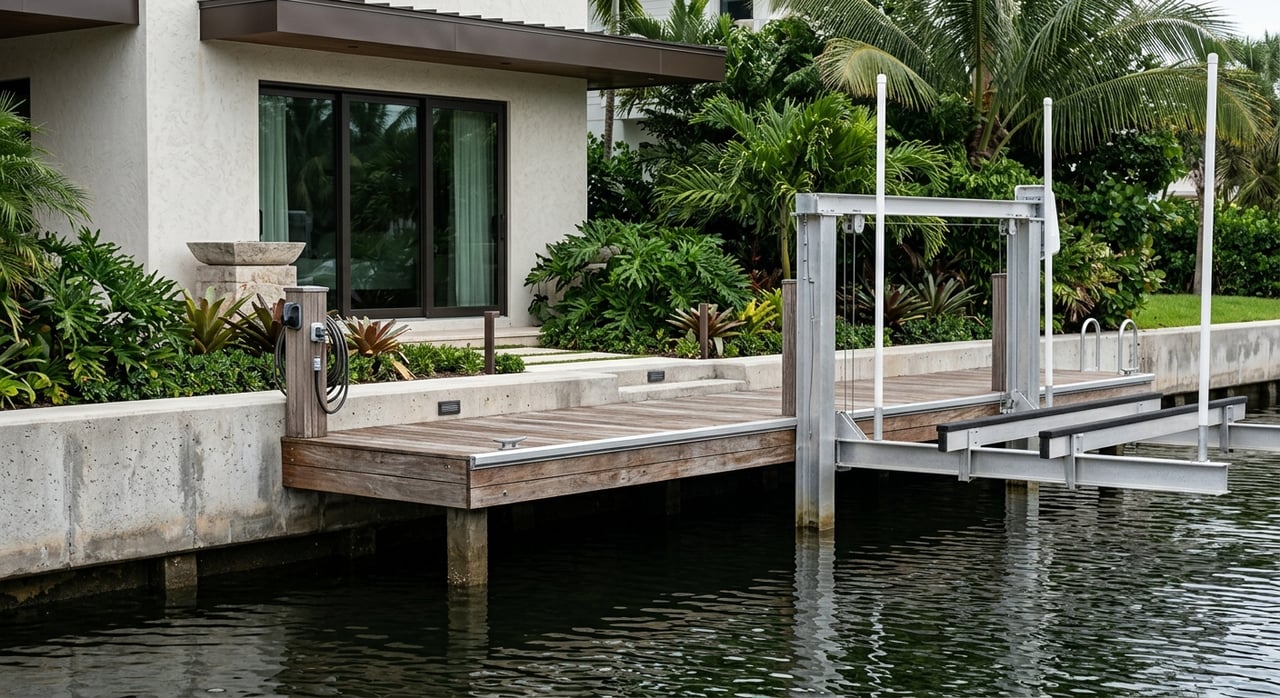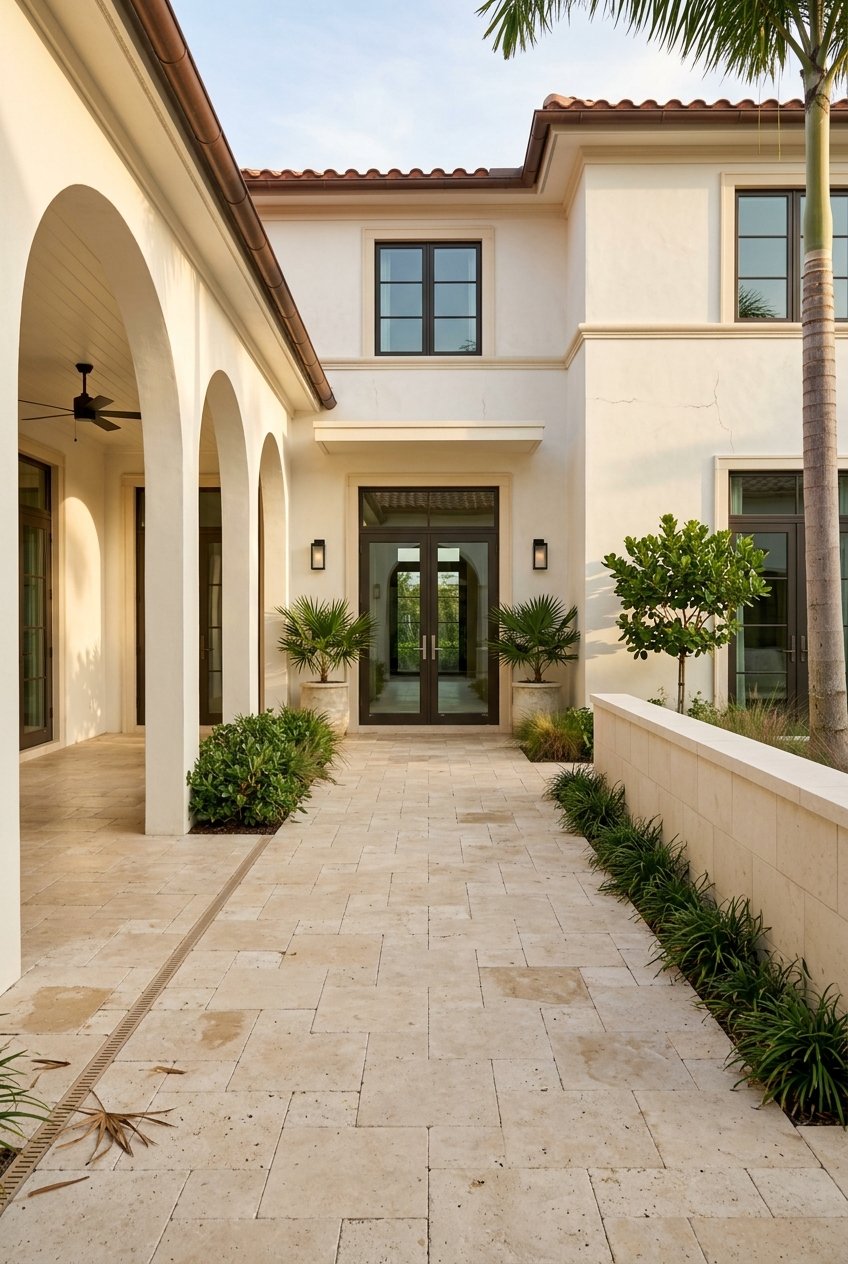
Choosing between a condo and a single-family home in Olde Naples is not just about square footage. It is about how you want to live, how much maintenance you want to handle, and how you want to enjoy one of Naples’ most walkable coastal neighborhoods. If you are weighing both options, this guide will help you compare the tradeoffs that matter most in Olde Naples so you can make a more confident decision. Let’s dive in.
Why Olde Naples Feels Different
Olde Naples is the original beach-and-downtown neighborhood in the City of Naples. The city describes it as an area with many of the original homes in Naples, including properties dating back near the turn of the century, along with a mix of old and new homes.
That blend of history, charm, and coastal convenience shapes the buying decision here. Fifth Avenue South stretches from Tamiami Trail to the Gulf, while Third Street South sits just two blocks from the Naples Pier and Gulf beaches. In practical terms, that means your lifestyle may depend as much on proximity and walkability as it does on the property itself.
Naples has nearly 9 miles of coastline and 40 beach accesses, but beach parking is regulated year-round through permits or pay-by-space. That makes the ability to walk or bike to the beach, dining, and downtown destinations especially valuable in Olde Naples.
Condo vs. Single-Family in Olde Naples
At a high level, condos and single-family homes can both give you the same coveted Olde Naples location. The difference is how ownership works day to day.
A condo often appeals to buyers who want a lower-maintenance, lock-and-leave lifestyle near the beach and downtown. A single-family home usually appeals to buyers who want more privacy, more control, and more flexibility in how they use the property.
Here is a simple side-by-side view:
| Feature | Condo in Olde Naples | Single-Family Home in Olde Naples |
|---|---|---|
| Maintenance | Association typically handles common elements | Owner handles most maintenance directly |
| Lifestyle | Often easier for seasonal or part-time use | Often better for full-time living or buyers wanting more space |
| Privacy | Shared building and common areas | More privacy and separation |
| Property control | More association oversight | More owner control, though some homes may still have HOA rules |
| Walkability advantage | Strong in many close-in locations | Strong in many close-in locations |
| Cost surprises | Budget changes or special assessments may occur | Repair and storm-related costs can vary by property |
Why a Condo May Make Sense
For many buyers, the biggest draw of a condo in Olde Naples is convenience. If you want a home base near the beach, Fifth Avenue South, or Third Street South without taking on every exterior task yourself, a condo can be a very practical fit.
Under Florida condominium law, the association is generally responsible for common-element maintenance, repair, and replacement, unless the declaration assigns certain limited common elements to a unit owner. Associations must also include reserve accounts for capital expenditures and deferred maintenance in the budget.
That structure can make condo ownership feel more predictable from a maintenance standpoint. Instead of personally coordinating every roof issue, exterior repair, or shared-system project, you are relying on the association to plan and manage those responsibilities.
This setup can be especially appealing if you are a seasonal owner, retiree, or second-home buyer who wants to spend more time enjoying Olde Naples and less time managing a property from afar. If your priority is a lock-and-leave lifestyle, condos often line up well with that goal.
Condo Due Diligence Matters More in Older Buildings
In Olde Naples, building age and condition deserve close attention. Florida law requires a structural integrity reserve study at least every 10 years for condominium buildings that are three stories or higher, and the study covers major components such as the roof, structure, fire protection, plumbing, electrical systems, waterproofing and exterior painting, windows, and exterior doors.
Milestone inspections are also required for certain condominium and cooperative buildings that are three stories or more once they reach 30 years of age, and every 10 years after that. Buyer-facing contract disclosures also reference the current milestone inspection summary and the most recent structural integrity reserve study, if applicable.
For you as a buyer, that means a condo decision in Olde Naples should go beyond the unit itself. You will want to review the association’s current budget, reserve schedule, insurance policies, inspection summaries, contracts, and any recent assessment history.
The Main Tradeoff With a Condo
Less direct maintenance does not mean less financial responsibility. It means that many of the important decisions are handled through the association’s budget, reserve planning, and project timing.
Florida law also makes clear that reducing or waiving reserves can create the risk of unanticipated special assessments. Reserve funding may come through regular assessments, special assessments, lines of credit, or loans, so it is wise to understand how the building has planned for future repairs before you commit.
Why a Single-Family Home May Make Sense
If privacy and control are at the top of your list, a single-family home may feel like the better fit. In Olde Naples, detached homes often appeal to buyers who want a more traditional ownership experience, along with more separation from neighbors and more freedom in how the property functions day to day.
That extra control can be valuable if you care about outdoor living, pool space, landscaping choices, or future renovation possibilities. In a neighborhood known for a mix of original homes and newer residences, architectural flexibility can be an important part of the appeal.
Single-family ownership also puts more of the decision-making in your hands. You are not typically relying on a condominium association to schedule major projects or manage shared systems.
The Main Tradeoff With a House
More control comes with more responsibility. In practice, the owner rather than a condominium association usually handles landscaping, exterior upkeep, storm preparation, and major repairs.
That can create more cost variability, especially in a coastal area where flood risk is a real factor. If a system fails or a storm causes damage, the timing and cost of repairs can fall more directly on you.
It is also worth noting that a detached home does not always mean zero rules or zero dues. Some homes can still be part of a homeowners’ association or another covenant-controlled setting, and Florida HOA law requires those associations to maintain official records, prepare budgets, and provide financial reporting.
Flood Risk Should Be Part of the Decision
In Olde Naples, flood-zone review is essential whether you are buying a condo or a single-family home. The City of Naples says its 2024 Flood Insurance Rate Maps are in effect, and those maps are used to determine flood insurance rates and Special Flood Hazard Areas.
In Naples, Zone AE and Zone VE carry mandatory flood insurance purchase requirements. The city also notes that residential floodproofing below the base flood elevation is not permitted in a coastal high-hazard area under NFIP rules.
The key point is simple: do not assume two nearby properties carry the same flood profile. Before you move forward, verify the specific parcel’s official flood zone and elevation status so you understand risk, insurance implications, and any property-specific limitations.
Walkability Changes the Math
One of Olde Naples’ biggest advantages is how easily you can enjoy the area without driving everywhere. Fifth Avenue South is known as a pedestrian-friendly district for shopping, dining, and entertainment, while Third Street South places you close to the pier and beaches.
That matters because both condos and single-family homes can offer the same location benefit, but they package it differently. A condo often pairs walkability with lower direct maintenance, while a house often pairs walkability with more owner responsibility and more private outdoor living.
If your ideal day includes walking to dinner, biking to the beach, and leaving for extended stretches with minimal upkeep, a condo may feel very compelling. If your ideal day includes more private outdoor space and greater control over your property, a house may be the stronger match.
A Simple Decision Rule for Olde Naples
If you are torn between the two, a practical rule of thumb can help.
Choose a condo if your top priorities are:
- Low-maintenance ownership
- Lock-and-leave convenience
- Easy access to the beach and downtown
- Comfort with association oversight and shared decision-making
Choose a single-family home if your top priorities are:
- Privacy
- More control over the property
- Outdoor space and flexibility
- A more independent ownership experience
Neither option is universally better. In Olde Naples, the right choice depends on how you want to balance convenience, control, risk, and lifestyle.
How to Narrow Your Choice
Before you decide, it helps to ask yourself a few honest questions:
- Will you live here full time, seasonally, or mainly use it as a second home?
- How much hands-on property management are you comfortable with?
- Is walkability your top priority, or do you care more about private outdoor space?
- Would you rather rely on an association for building maintenance, or manage repairs on your own timeline?
- Are you prepared to review condo budgets, reserves, inspections, and assessment history if you buy in a building?
- Have you verified the property’s specific flood zone and elevation details?
In a neighborhood as distinctive as Olde Naples, the best decision usually comes from matching the ownership style to your real lifestyle, not just the listing photos.
If you want a thoughtful, neighborhood-level strategy for comparing condos and homes in Olde Naples, Sara Anderson, PA can help you evaluate the details that matter and find the right fit for how you plan to live.
FAQs
What makes condo ownership different in Olde Naples?
- Condo ownership in Olde Naples usually means less direct responsibility for common-element maintenance, but it also means more reliance on the association’s budget, reserves, inspections, and project timing.
What makes single-family home ownership different in Olde Naples?
- A single-family home in Olde Naples usually offers more privacy and property control, but you are typically responsible for more of the maintenance, repairs, storm prep, and exterior upkeep.
What should buyers review before buying a condo in Olde Naples?
- Buyers should review the current budget, reserve schedule, insurance policies, inspection summaries, contracts, and any recent assessment history, especially in older buildings.
Why is walkability important when choosing a home in Olde Naples?
- Walkability matters in Olde Naples because beach parking is regulated year-round, and many buyers place a premium on being able to walk or bike to the beach, dining, and downtown destinations.
Why should flood zones matter when buying in Olde Naples?
- Flood zones matter because the City of Naples uses current flood maps to determine Special Flood Hazard Areas and flood insurance requirements, and nearby properties may not share the same flood profile.
Which is better for a second-home buyer in Olde Naples: condo or single-family home?
- For many second-home buyers in Olde Naples, a condo can be a strong fit if low maintenance and lock-and-leave convenience are top priorities, while a single-family home may be better if privacy and outdoor space matter more.